



The Gardener’s Diary: Winter Work and Signs of Spring

The Gardener’s Diary: Early Year Reflections
The start of the year is always a busy and rewarding time in the gardening calendar, despite cold snaps, heavy rain, and the occasional frozen morning.
There is a great deal to be done, and progress depends entirely on what the weather allows us.
Our snowdrops are now well and truly in flower, ready for Shepton’s Snowdrop Festival in February.
Last year, we planted fifteen thousand snowdrops, building on the five thousand planted in 2024, creating an ever-expanding winter display.
The early months of the year are when we like to make thoughtful changes to the garden.
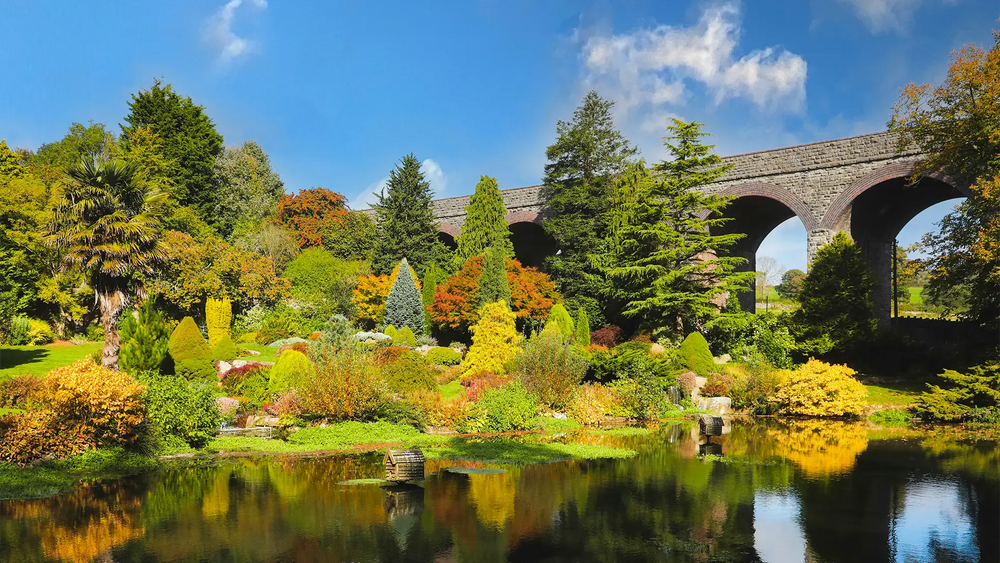
Several untidy and overgrown areas of the rockery have been carefully tackled over recent weeks.
One significant decision was the removal of a Picea pungens ‘Kosterii’, planted back in the spring of 1985.
Although a magnificent specimen, it was beginning to compromise the health and beauty of a nearby Acer palmatum.
Removing it has opened up new opportunities for replanting and revealed the striking Forest of Dean stone used throughout the rockery.
This time of year is also ideal for apple pruning.
Last season, our orchard produced a bumper crop, which was sent to the mill for pressing.
Pruning now allows us to remove diseased growth, thin non-flowering shoots, and improve airflow through the trees.
Looking ahead to spring, 2026 will see even more tulips flowering in the parterre.
Three thousand bulbs were planted last autumn, promising a colourful display through April and May.
Once the tulips fade, a record number of dahlias will follow, bringing rich colour throughout the summer months.
During winter, it is important to check stored dahlia tubers regularly and prevent them from drying out.
Our vegetable gardener, Pete, has been working closely with the café team to plan this year’s produce.
Seed orders are now complete, ensuring fresh, seasonal vegetables grown on site will feature on the menu.
Finally, our hellebores are receiving attention, with old leaves removed to reveal their winter flowers and reduce the risk of black spot.
As winter gives way to spring, the work done during these early months will shape the garden for the year ahead.
We look forward to welcoming visitors to enjoy the results as the seasons unfold.


